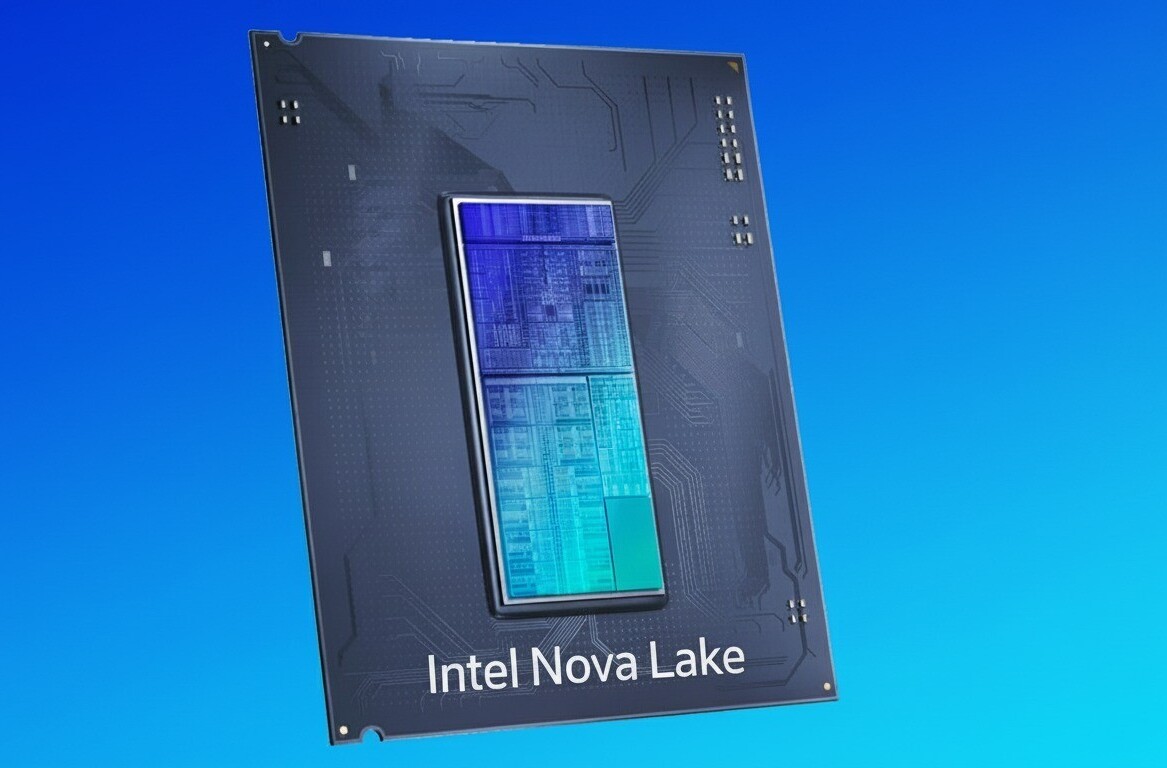
Intel Nova Lake-S: A New Era in Desktop CPU Architecture
Intel is preparing to launch its highly anticipated "Nova Lake-S" desktop processors, marking a significant leap forward in CPU microarchitecture and platform innovation. Recent shipping manifests reveal that Intel is already distributing early engineering samples to key partners, enabling OEMs and cooling solution providers to begin software and firmware optimization well ahead of mass production. This proactive approach ensures that systems will be finely tuned for performance and stability by the time Nova Lake-S reaches the broader market.
52-Core Flagship with Advanced Tiled Design
The flagship Nova Lake-S SKU features an impressive 52-core configuration, with early samples indicating boost clock speeds that may surpass 5.0 GHz. This processor utilizes a sophisticated tiled architecture, combining two compute tiles and a single SoC tile. Each compute tile integrates eight high-performance P-Cores based on the new Coyote Cove architecture and sixteen efficient E-Cores built on Arctic Wolf technology. The SoC tile adds four low-power Arctic Wolf LPE-cores, resulting in a total of 16 P-Cores, 32 E-Cores, and 4 LPE-Cores for the top-tier model. For users seeking a more streamlined option, single-tile variants will offer a 28-core configuration.
Big-Cache Variants and Platform Compatibility
Intel is also developing big-cache bLLC variants of Nova Lake-S, targeting workloads that benefit from expanded on-die cache capacity. This cache-centric approach is designed to compete directly with AMD’s 3D V-Cache technology, offering enhanced performance for data-intensive applications.
On the platform side, Nova Lake-S will utilize the LGA-1954 socket, featuring a 45x37.5 mm footprint. This matches the dimensions of the current LGA-1851 socket, ensuring broad compatibility with existing cooling solutions. Some vendors may introduce offset mounting plates or minor adjustments to optimize thermal contact, but overall, the transition should be smooth for most users.
Performance Expectations and Market Impact
Notably, the P-Cores in Nova Lake-S will ship without simultaneous multithreading (SMT), continuing the design philosophy introduced with Arrow Lake. Early engineering samples have demonstrated clock speeds around 4.8 GHz, but these figures are expected to climb as Intel refines the silicon and moves toward qualification samples. With Intel’s renewed focus on reclaiming desktop market share, the final retail versions of Nova Lake-S are anticipated to deliver boost clocks exceeding 5.0 GHz, setting a new standard for high-performance desktop computing.
As Intel advances toward the official launch of Nova Lake-S, the combination of a groundbreaking microarchitecture, robust core counts, and platform compatibility positions this generation as a pivotal release for enthusiasts and professionals alike.