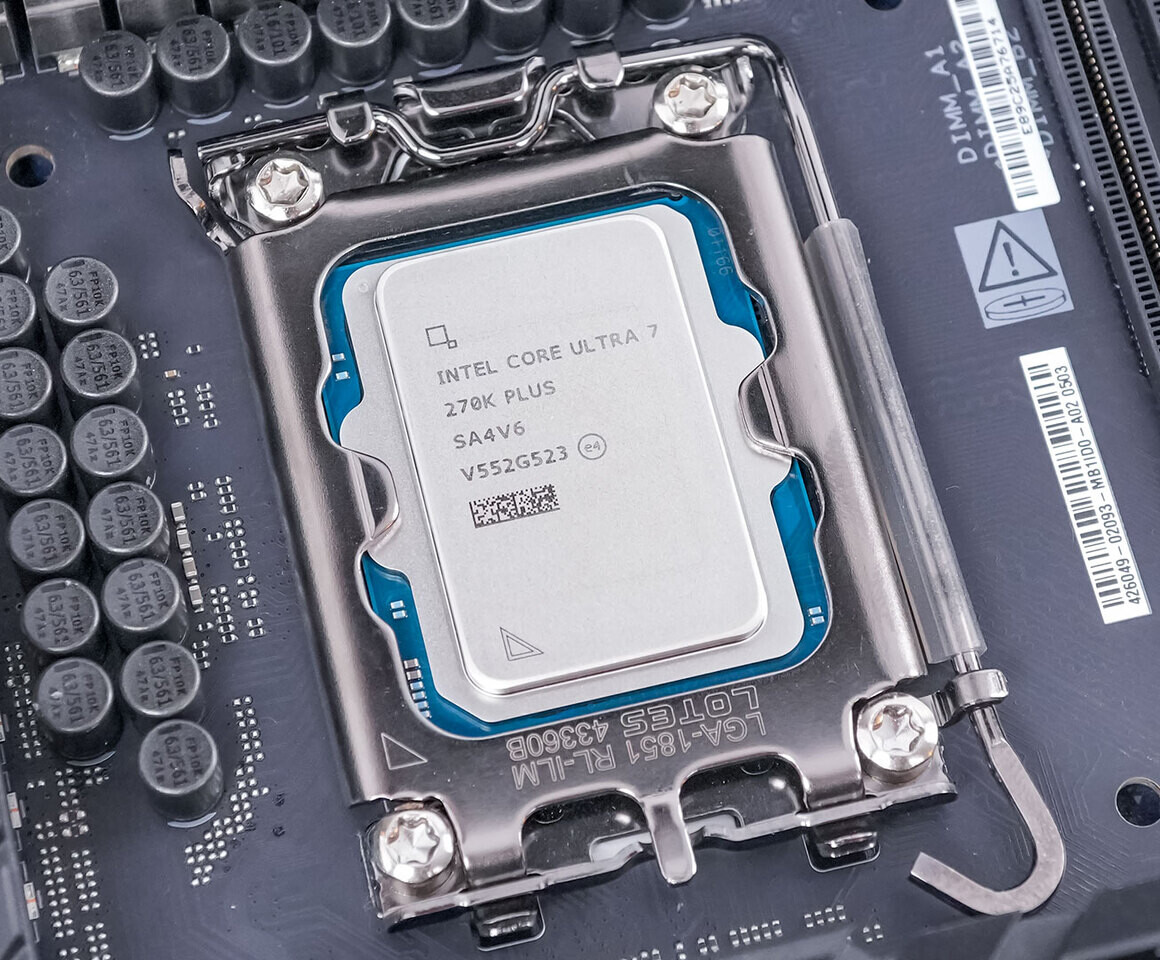
Intel Plans to Expand Overclocking Support Across More CPUs
Intel is preparing to broaden overclocking support to a wider range of its processors, marking a significant shift in its approach to enthusiast computing. Traditionally, Intel has limited overclocking capabilities to its premium K and KF series CPUs, which are specifically unlocked for this purpose. However, recent statements from Robert Hallock, Intel’s Vice President and General Manager of the enthusiast segment, indicate that this feature will soon become accessible to a much larger audience.
Making Overclocking More Accessible
For years, overclocking has been a hallmark of Intel’s high-end desktop CPUs, allowing users to push their hardware beyond factory specifications for improved performance. This capability, however, has typically been reserved for those willing to invest in the most expensive processors. Hallock emphasizes that enthusiasm for PC building and performance tuning is not limited to those at the top end of the market. By expanding overclocking support, Intel aims to empower enthusiasts at various price points, ensuring that more users can enjoy the flexibility and performance benefits that overclocking provides.
“What you will see is more and more unlocked SKUs over time. That is the goal. That should not be a feature that is exclusively reserved for the people paying the most amount of money. Not everyone can afford the most amount of money...and that doesn't make them any less an enthusiast than the person who can spend 500 USD on a CPU. They are still PC enthusiasts, and they deserve the same level of features, and that is what we intend to deliver in our roadmap.”
Motherboard Compatibility and Future Challenges
Expanding overclocking support is not just about unlocking more CPUs. Currently, Intel restricts overclocking to systems built with its high-end “Z” series chipsets, such as the Z890. This means that even if a user purchases an unlocked processor, they must also invest in a premium motherboard to take advantage of overclocking features. For Intel’s initiative to reach a broader audience, changes to motherboard compatibility will be necessary, potentially requiring collaboration with motherboard manufacturers and adjustments to chipset policies.
While Intel has not provided a specific timeline for these changes, there is speculation that the upcoming “Nova Lake” processor generation, expected in late 2026, could introduce both new CPUs and platform updates to support this expanded overclocking vision. Until then, enthusiasts and gamers can look forward to a future where advanced performance tuning is more accessible than ever before, regardless of budget.