AMD Unveils Ryzen AI Halo Mini-PC: A Powerful Platform for AI Developers
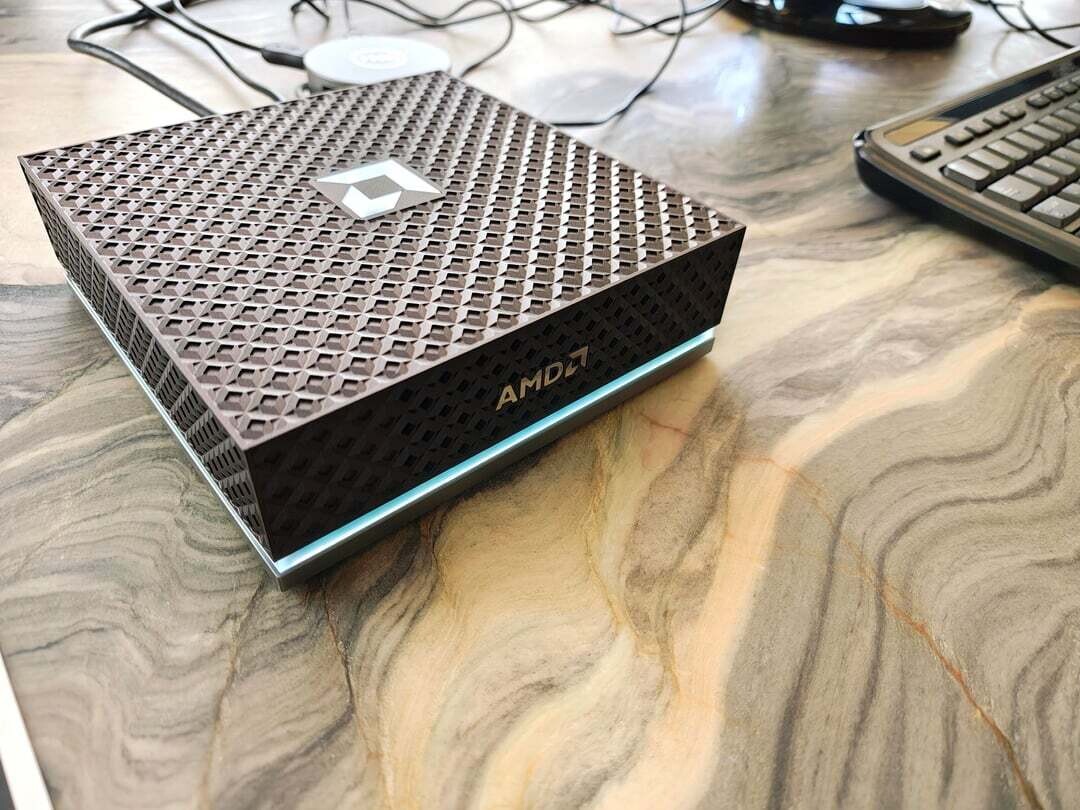
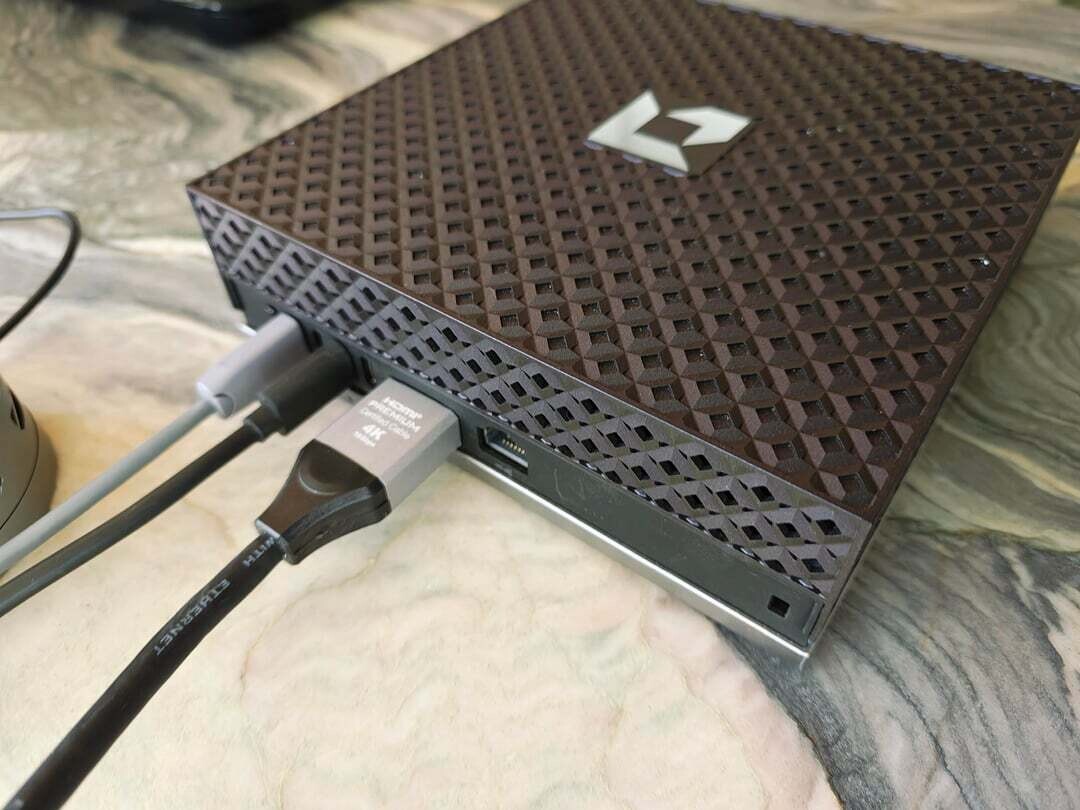
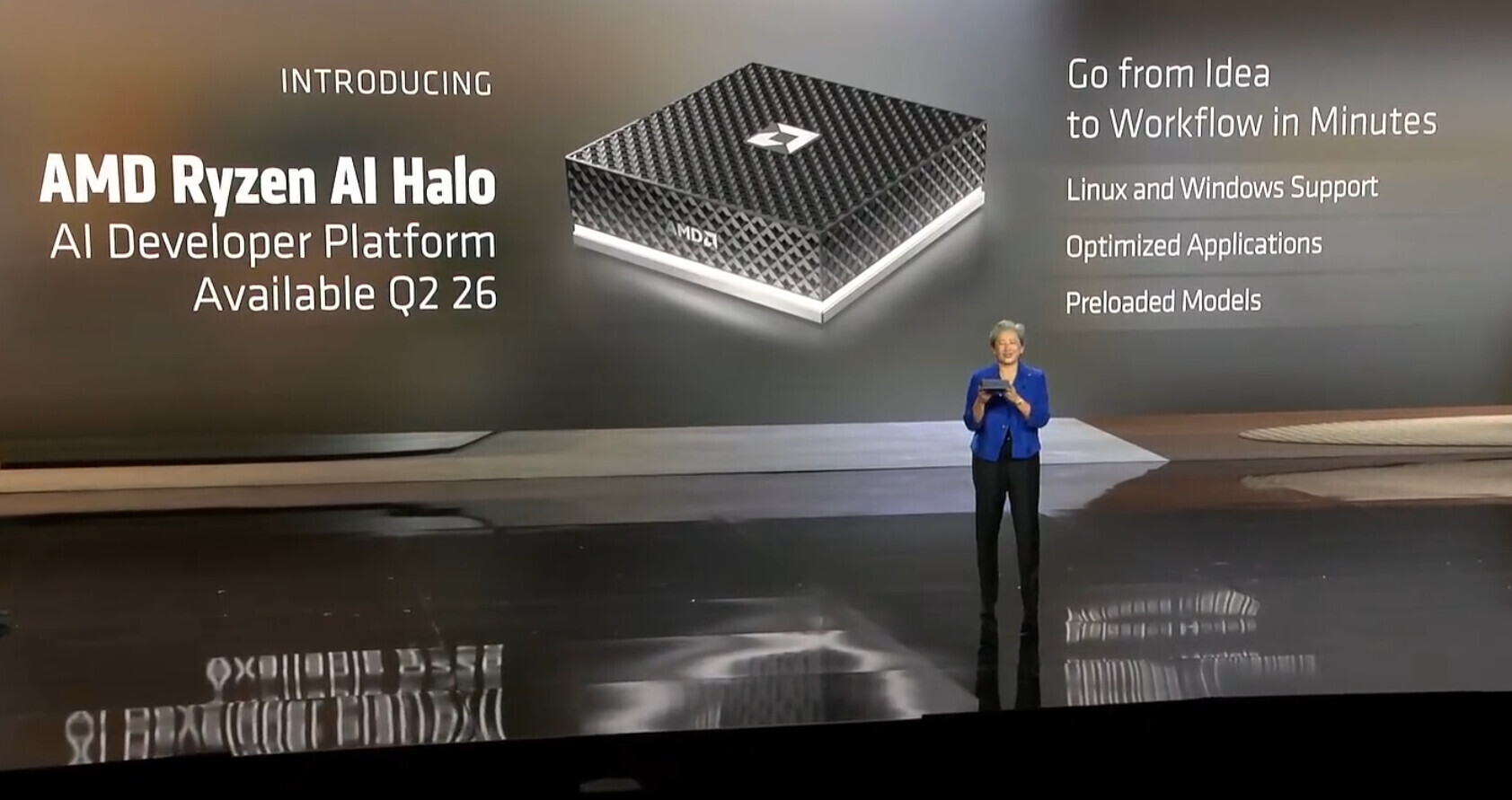
During CES 2026, AMD offered a first look at its upcoming Ryzen AI Halo mini-PC, a compact yet powerful system designed specifically for AI development. The device is expected to launch as early as June 2026, following its recent appearance at AMD AI Dev Day, where it was showcased in detail to the developer community.
Advanced Hardware for AI Workloads
The Ryzen AI Halo mini-PC is powered by the new Ryzen AI Max 395+ APU, which features a 16-core, 32-thread "Zen 5" CPU. This is paired with an integrated GPU based on AMD’s RDNA 3.5 architecture, offering 40 compute units for robust graphics and compute performance. The system also includes a dedicated NPU (Neural Processing Unit) capable of delivering 50 TOPS (trillions of operations per second), making it Microsoft Copilot+ ready and well-suited for demanding AI tasks.
One of the standout features is support for up to 128 GB of unified LPDDR5X memory, providing ample bandwidth and capacity for large-scale AI models. The mini-PC is compatible with both Windows 11 and Linux, and comes pre-loaded with AI models optimized for its hardware. At AI Dev Day, AMD demonstrated the device running Ubuntu, highlighting its appeal to AI developers who prefer open-source environments.
Innovative Cooling and Compact Design
To manage the heat generated by such powerful components in a small form factor, AMD has engineered a sophisticated cooling solution for the "Strix Halo" SoC. This includes a baseplate, direct-touch flat heatpipes, an aluminum channel heatsink, and dual lateral airflow blowers. The design is further enhanced by a programmable RGB strip that illuminates the chassis, giving the device a modern and customizable aesthetic.
Target Audience and Performance Expectations
While the integrated RDNA 3.5 GPU with 40 compute units is not AMD’s most advanced graphics solution, it is more than capable for local AI development and compute-intensive workloads. The Ryzen AI Halo mini-PC is positioned as a compelling alternative to NVIDIA’s DGX Spark platform, offering developers a powerful APU in a compact, energy-efficient package.
With its large unified memory, the system is expected to handle large language models exceeding 70 billion parameters, making it suitable for advanced AI research and development. Although official benchmarks are still pending, the hardware specifications suggest strong performance for both AI inference and training tasks.
Availability and Pricing
AMD has confirmed that the Ryzen AI Halo developer platform will be available starting in the second quarter of 2026, aligning with the anticipated June release. Pricing for the 128 GB model has not yet been disclosed, but given the high-end specifications, it is expected to be positioned as a premium offering for professional developers and researchers.