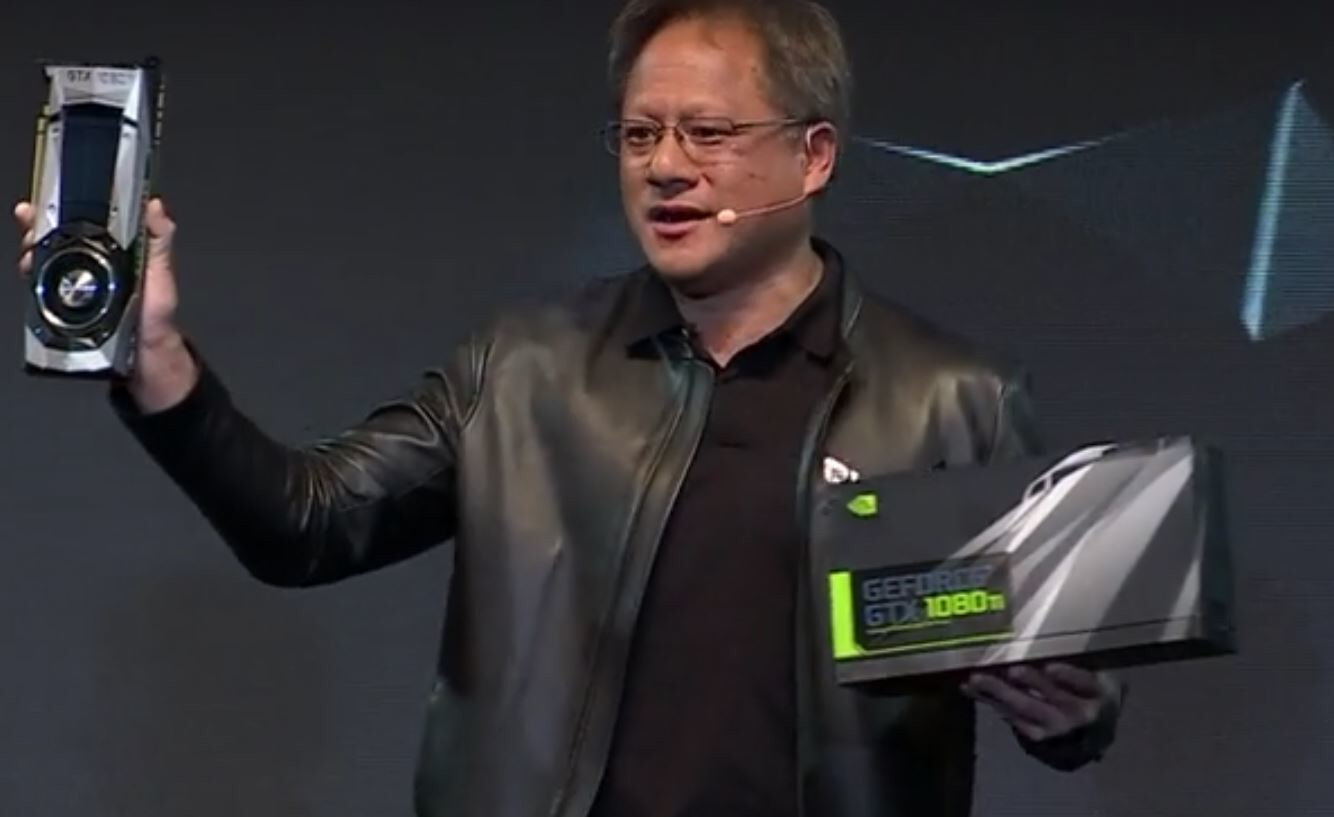
NVIDIA GeForce GTX 10-Series: Celebrating a Decade of Innovation
Ten years ago, NVIDIA introduced the GeForce GTX 10-series graphics cards, marking a significant milestone in the evolution of gaming hardware. Launched in May 2016, the GeForce GTX 1080 was the flagship model, built on the advanced "Pascal" architecture and manufactured using TSMC's 16 nm FinFET process. This release represented a major leap forward in GPU technology, setting new benchmarks for performance and efficiency.
The Impact of Pascal Architecture
The Pascal architecture brought substantial improvements over its predecessor, the Maxwell-based GTX 9-series. One of the most notable advancements was its exceptional performance-per-watt ratio. The GeForce GTX 1080 required only a single 150-watt 8-pin power connector, yet it delivered enough power to run contemporary AAA games at 4K Ultra HD resolution with native rendering—no upscaling necessary. This efficiency and raw performance made the GTX 1080 a favorite among gamers and professionals alike.
The Last True Moore’s Law Generation
The GTX 10-series is often regarded as the final NVIDIA GeForce GPU generation to fully align with Moore’s Law, which predicts the doubling of transistors and computational power every two years. Subsequent generations have faced increasing challenges in maintaining this pace due to physical and technological limitations. The Pascal-based GTX 1080 stands as a testament to an era when rapid advancements in semiconductor technology were still possible.
Legacy and Influence on Modern GPUs
The influence of the GeForce GTX 10-series continues to be felt in today’s graphics cards. Modern GPUs, such as the RTX 5080, build upon the foundation laid by Pascal, incorporating new features like real-time ray tracing and AI-driven upscaling. However, the balance of power efficiency and high performance achieved by the GTX 1080 remains a benchmark in the industry.
As the GeForce GTX 10-series marks its tenth anniversary, it serves as a reminder of a pivotal moment in graphics card history—one that set new standards for gaming and professional workloads, and continues to inspire innovation in GPU design.