NVIDIA Unveils RTX Spark Platform at Computex 2026: A New Era for Windows on Arm
At Computex 2026 in Taipei, NVIDIA offered an in-depth, hands-on preview of its new RTX Spark platform, showcasing its capabilities across gaming, creative, and AI workloads. The demonstrations ran exclusively on Microsoft Surface Laptops, with Microsoft present to emphasize its renewed commitment to making Windows on Arm a competitive force. Notably, Microsoft has implemented several kernel-level optimizations in Windows 11 specifically for RTX Spark—enhancements that were not previously available for Qualcomm’s Snapdragon platforms.
Inside the NVIDIA N1X Chip: Architecture and Performance
The core of RTX Spark is the NVIDIA N1X chip, which combines a 20-core Grace Arm-based CPU with a Blackwell RTX GPU featuring 6,144 CUDA cores and 5th Generation Tensor Cores supporting FP4 precision. These components are interconnected via NVLink-C2C, enabling up to 128 GB of LPDDR5X unified memory within a 45-80 W power envelope. NVIDIA claims the N1X can deliver up to 1 petaFLOP/s of AI compute. A more affordable N1 variant with 5,120 CUDA cores is also planned.
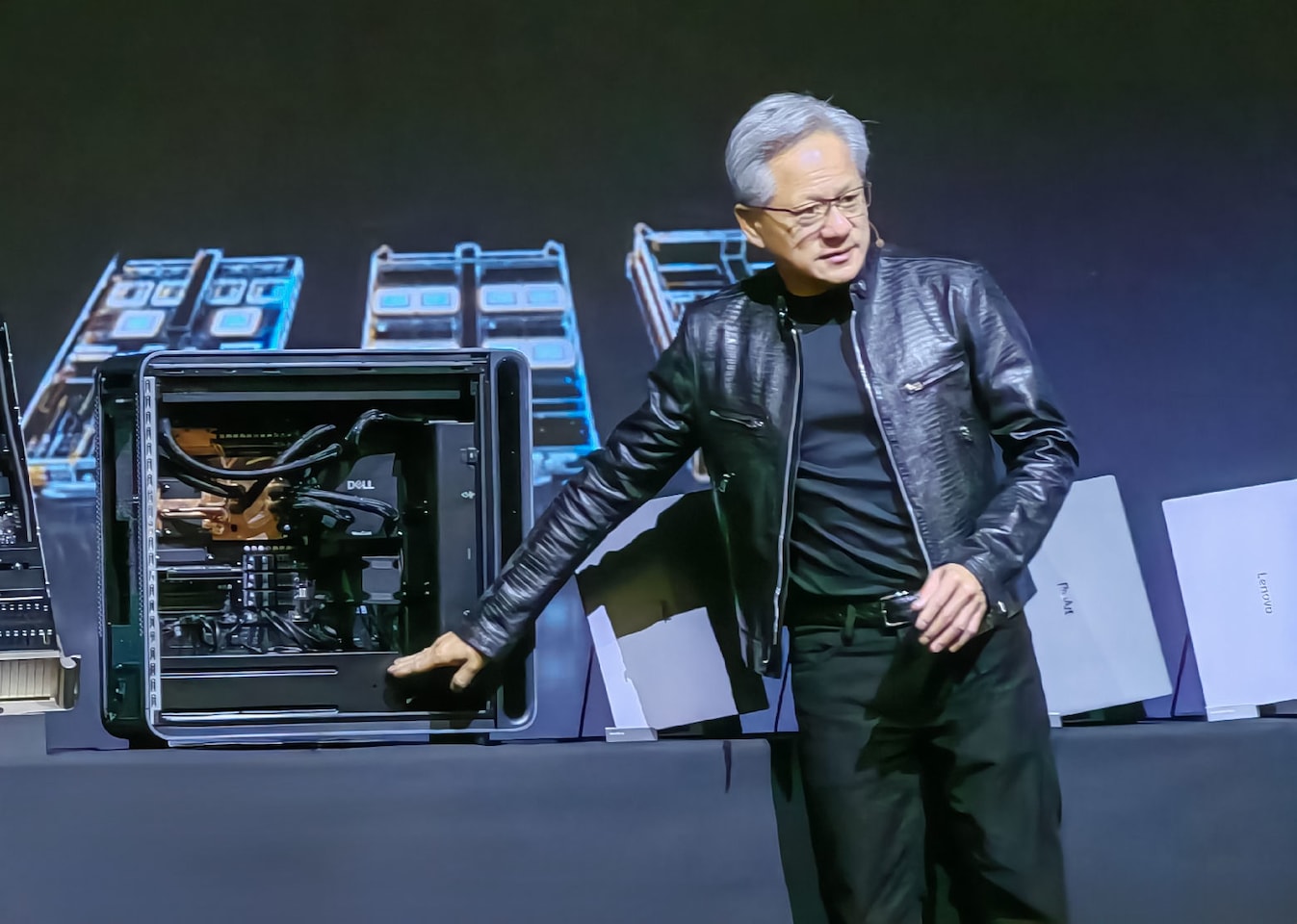
RTX Spark is not limited to laptops; NVIDIA also introduced compact desktop mini PCs and the DGX Spark workstation, targeting creators and developers who prefer stationary systems. Given the chip’s efficient power profile, it could potentially appear in future handheld gaming consoles or even compete with custom AMD chips in next-generation gaming consoles.
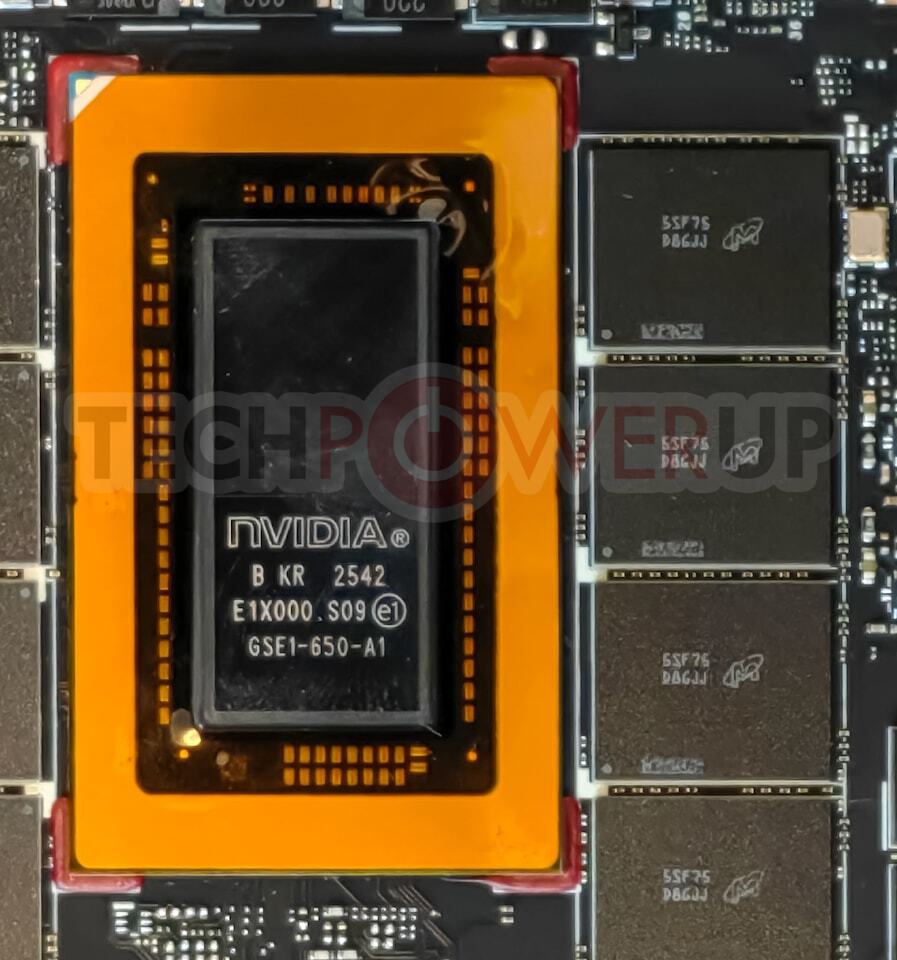
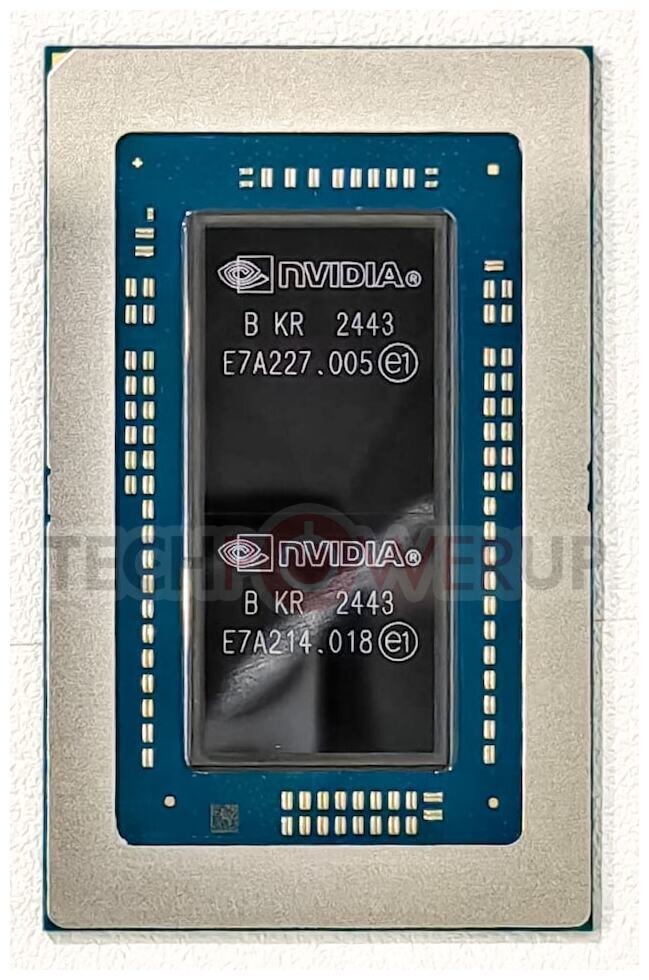
Two N1X samples were on display. The first, labeled "GSE1-650-A1" (week 42 of 2025), was mounted on a PCB surrounded by eight Micron LPDDR5X memory packages, each offering 16 GB for a total of 128 GB unified memory at 9600 MT/s and 307 GB/s bandwidth. The second sample revealed a chiplet design: the Grace CPU and Blackwell GPU sit side by side, connected by NVLink-C2C. This unified memory architecture, reminiscent of Apple’s M-series, eliminates the traditional bottleneck between CPU and GPU memory. Both dies are manufactured on TSMC’s advanced 3 nm process.
Gaming on RTX Spark: Native Arm and Emulation Performance
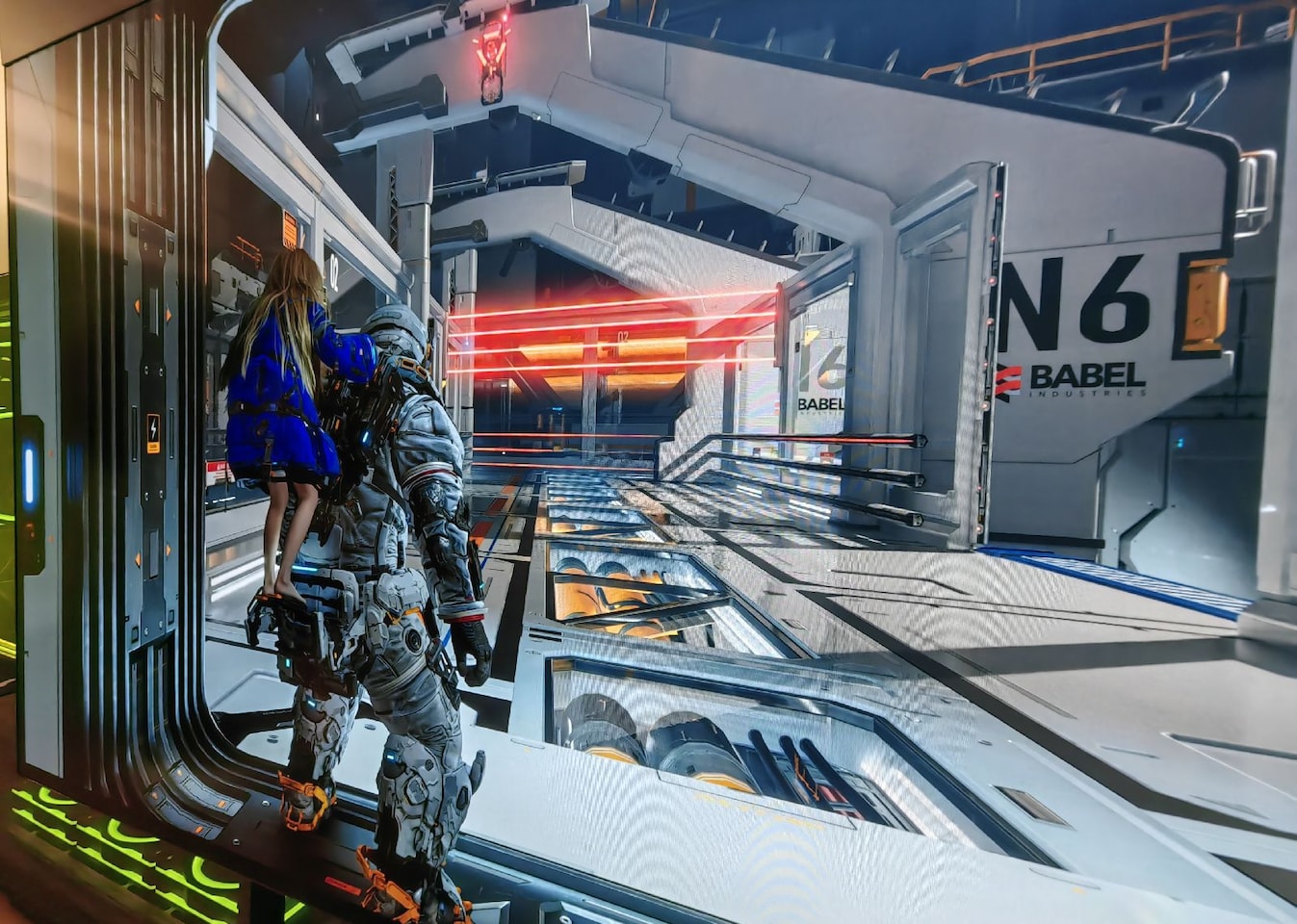
NVIDIA’s gaming demonstrations were a highlight, aiming to prove that Arm-based Windows PCs are now viable for gaming. Remedy’s "Alan Wake 2" ran as a fully native Arm build at 2560 x 1600 resolution, utilizing DLSS 4.5 Ray Reconstruction, Multi Frame Generation, and NVIDIA Reflex for smooth, visually rich gameplay. Capcom’s "Pragmata" was also showcased, running through Microsoft’s Prism emulation layer due to the absence of a native Arm port. Despite this, performance remained solid, with impressive reflections and lighting and no noticeable frame drops.
While the gaming experience was strong, much of the performance relies on DLSS upscaling and Multi Frame Generation rather than raw rendering power. The N1X shares its CUDA core count with the desktop GeForce RTX 5070, but its smaller die and shared 45-80 W power envelope mean rasterization performance is below that of discrete desktop GPUs. However, for thin-and-light laptops, RTX Spark represents a significant leap over previous Windows on Arm gaming solutions, particularly those powered by Qualcomm.
The broader question is how well the PC gaming library will run on Arm. Native Arm titles like "Alan Wake 2" offer the best experience, but many games will depend on Prism emulation for now. Encouragingly, Prism handled "Pragmata" well, and NVIDIA is actively collaborating with developers to expand the library of Arm-native games.
A key advantage for NVIDIA is its mature GPU driver ecosystem. Qualcomm’s Adreno drivers have been a persistent issue for Snapdragon X Elite laptops, often lacking stability and compatibility. In contrast, NVIDIA’s decades of experience delivering robust GeForce drivers on Windows should translate directly to RTX Spark, bolstering the platform’s gaming credibility.
DLSS 4.5 Ray Reconstruction: Next-Generation Upscaling
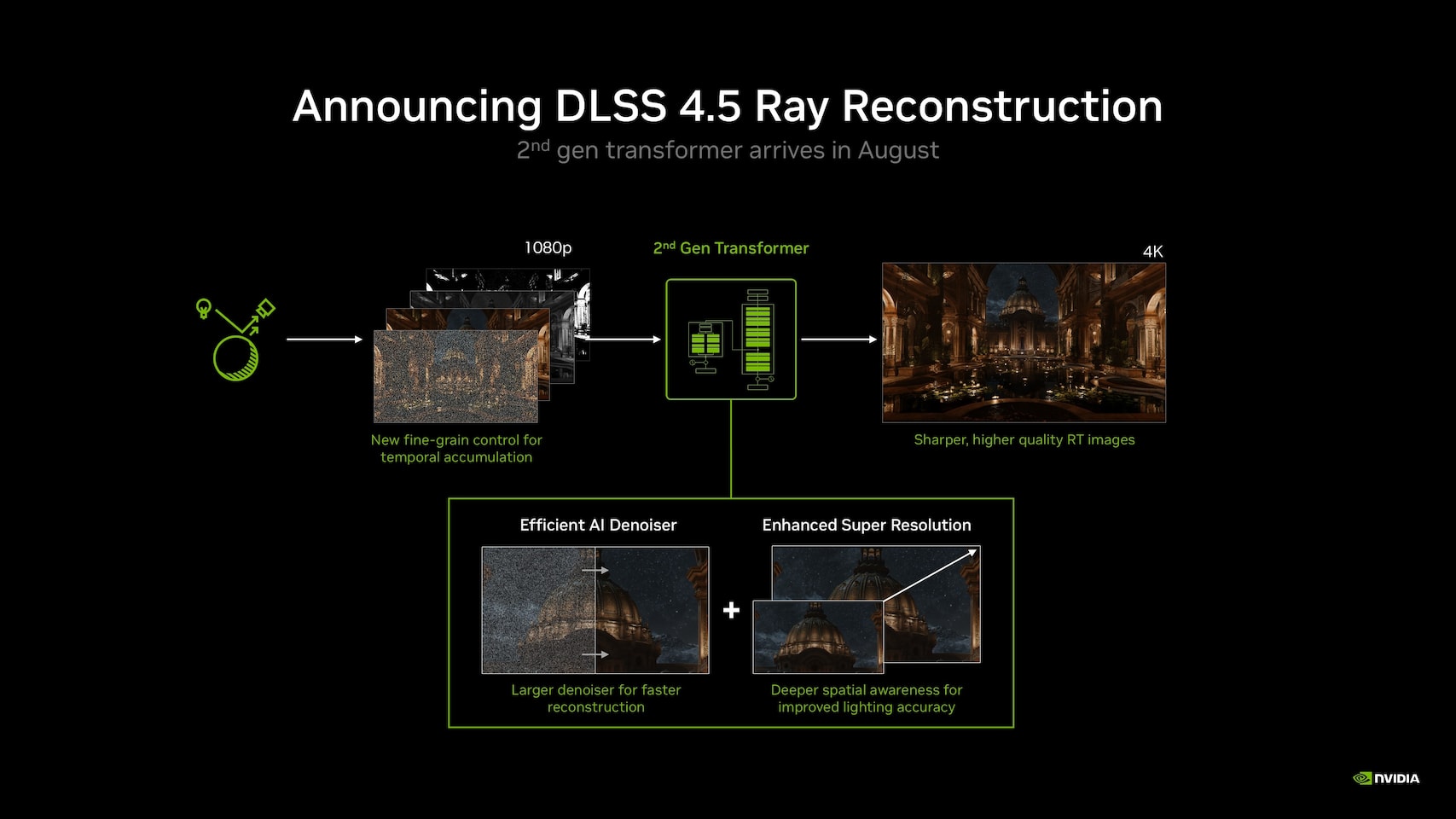
NVIDIA introduced DLSS 4.5 Ray Reconstruction, set for release in August 2026. This update features a second-generation transformer model that replaces the previous CNN-based approach, offering 35% more compute capability and processing 20% more parameters with similar performance overhead. The result is enhanced lighting accuracy, improved temporal stability, and cleaner motion in ray-traced and path-traced scenes.
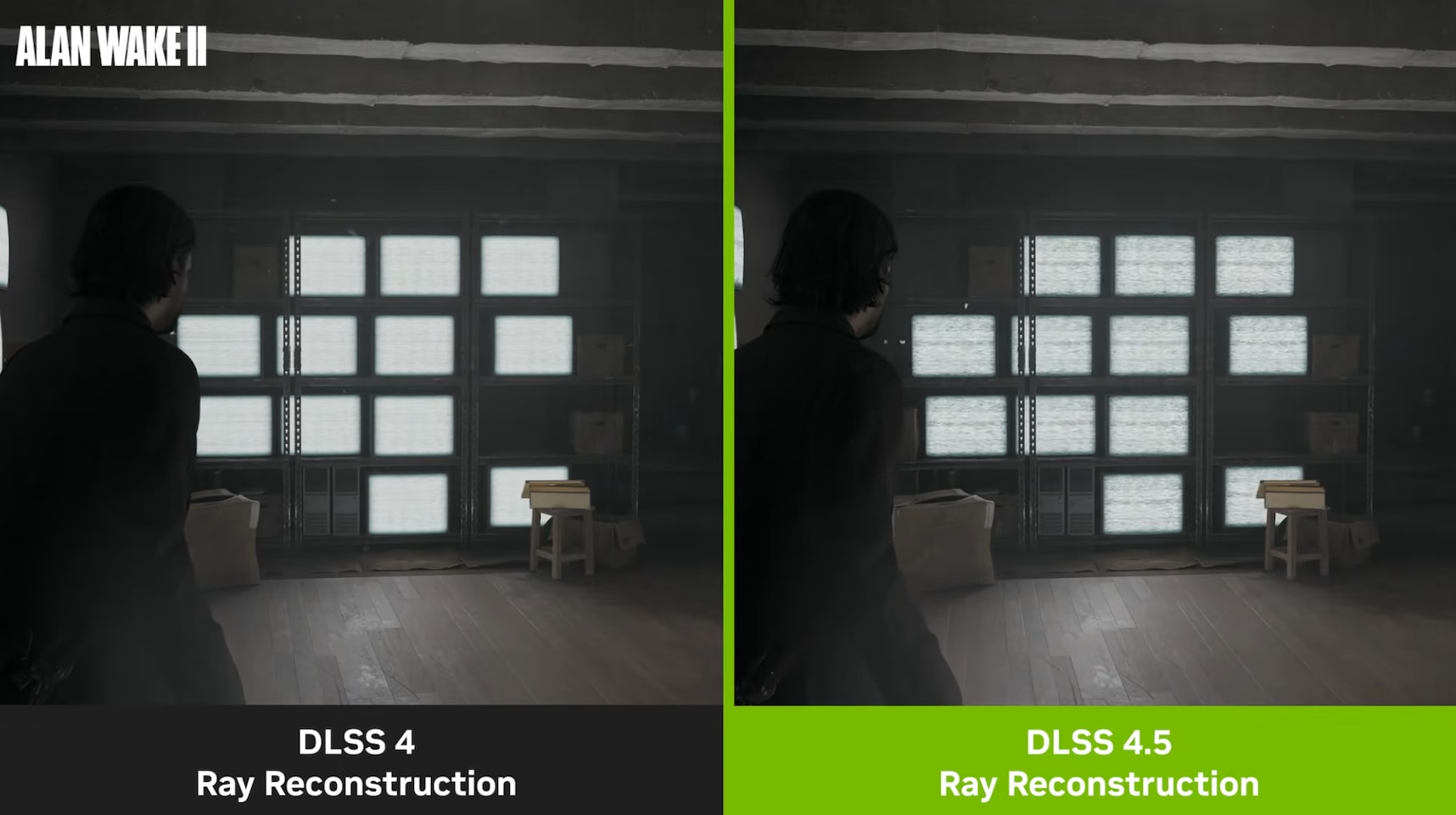
Side-by-side comparisons in "Alan Wake 2," "Pragmata," and "Indiana Jones and the Great Circle" highlighted the improvements. For example, CRT screens in "Alan Wake 2" now accurately render static noise, and "Pragmata" displays fewer artifacts with better lighting. DLSS 4.5 Ray Reconstruction will debut with support for 27 games, including "Cyberpunk 2077," "Hogwarts Legacy," "Star Wars Outlaws," "DOOM: The Dark Ages," "Half-Life 2 RTX," "Resident Evil Requiem," and "Call of Duty: Black Ops 7." Eleven additional titles, such as "Phantom Blade Zero," "Marvel Rivals," and "Gothic 1 Remake," were also announced at Computex.
Creative and AI Workloads: Accelerating Productivity
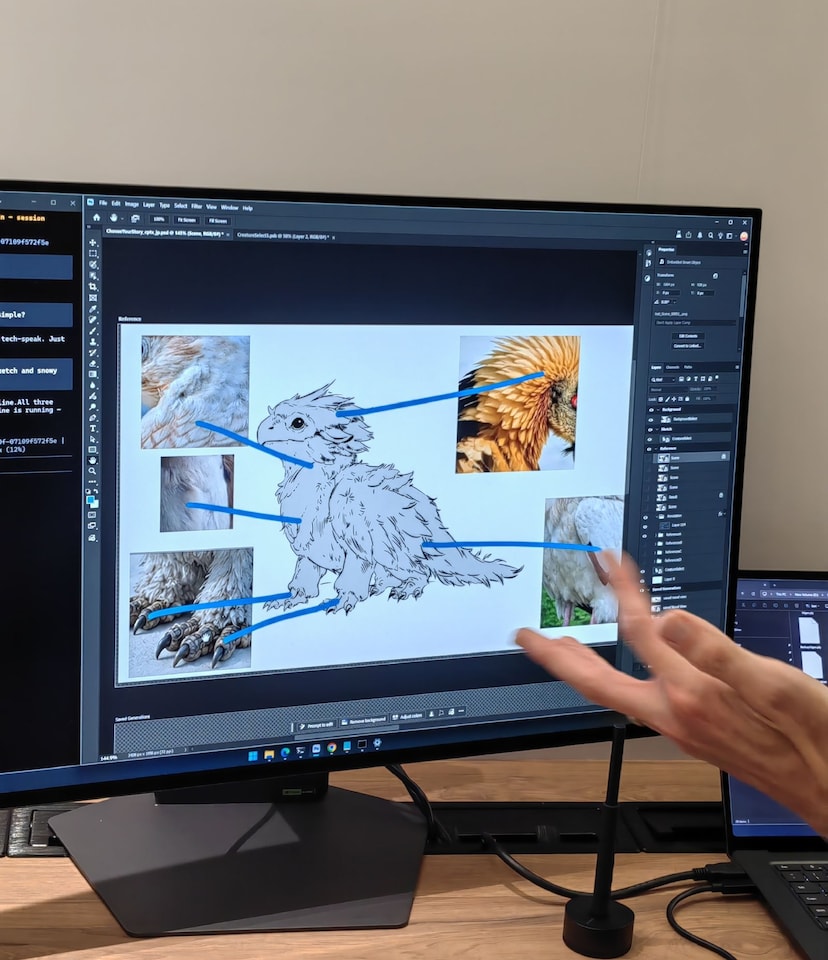
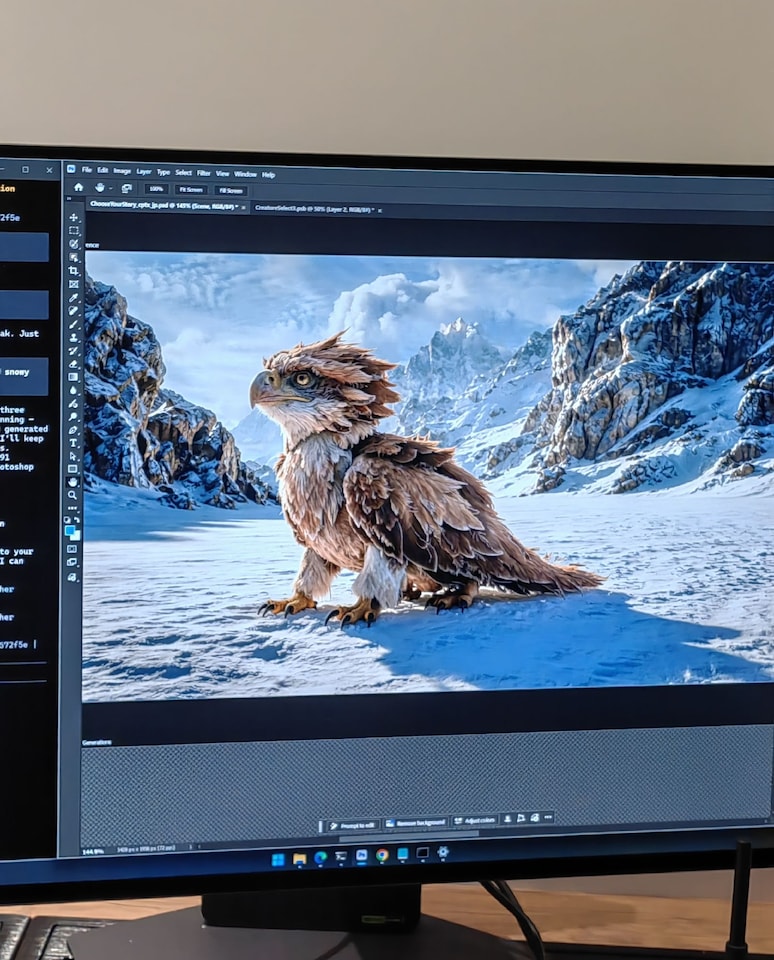
RTX Spark’s capabilities extend beyond gaming. Several rooms at Computex were dedicated to creative and AI workloads. Adobe Photoshop now runs natively on Arm64 Windows, and for RTX Spark, Adobe has integrated GPU-accelerated compositing, enabling live filters, HDR editing, and effects to leverage the Blackwell GPU. NVIDIA claims up to 2x faster AI and graphics performance. Demonstrations included an AI agent controlling Photoshop via its public automation API, using Stable Diffusion to generate photorealistic images and even creating 3D scene videos—all processed locally on RTX Spark hardware.
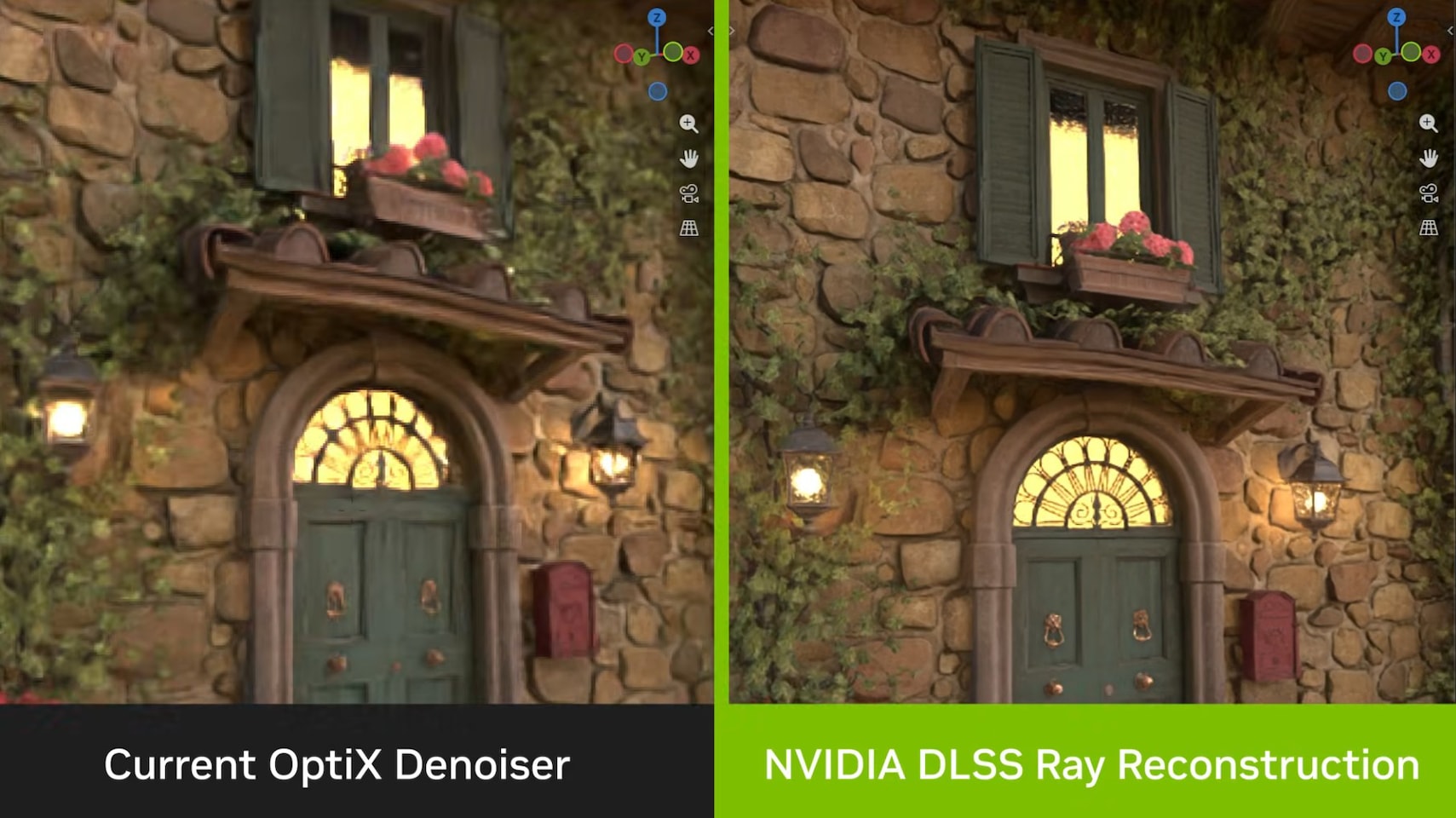
Adobe Premiere Pro is also being optimized for RTX Spark, with support for the latest NVENC and NVDEC accelerators. Blender 5.3 will adopt DLSS 4.5 Ray Reconstruction as its new denoiser, replacing OptiX and delivering significantly improved detail and clarity in rendered scenes.
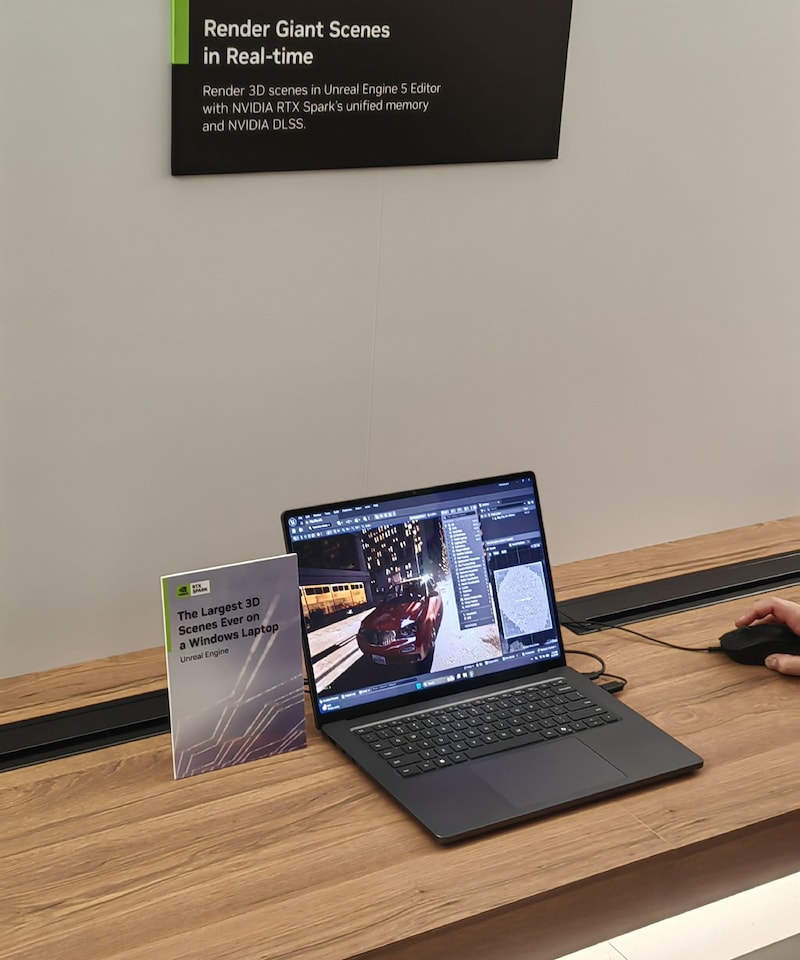
Epic’s Unreal Engine 5 City Sample, known for its high memory demands, ran smoothly on an RTX Spark laptop with 128 GB of unified memory, demonstrating the advantages of unified memory for professional creative workflows. Blackmagic Design’s DaVinci Resolve was also featured, showcasing RTX Video integration and support for 12K video editing. ComfyUI demonstrated RTX Video Super Resolution and Frame Generation, offering real-time video upscaling and framerate doubling or quadrupling at a fraction of the VRAM cost. NVIDIA’s OpenShell secure runtime further boosts local AI inference performance on RTX Spark.
RTX Spark Laptops and Mini PCs: Models and Pricing
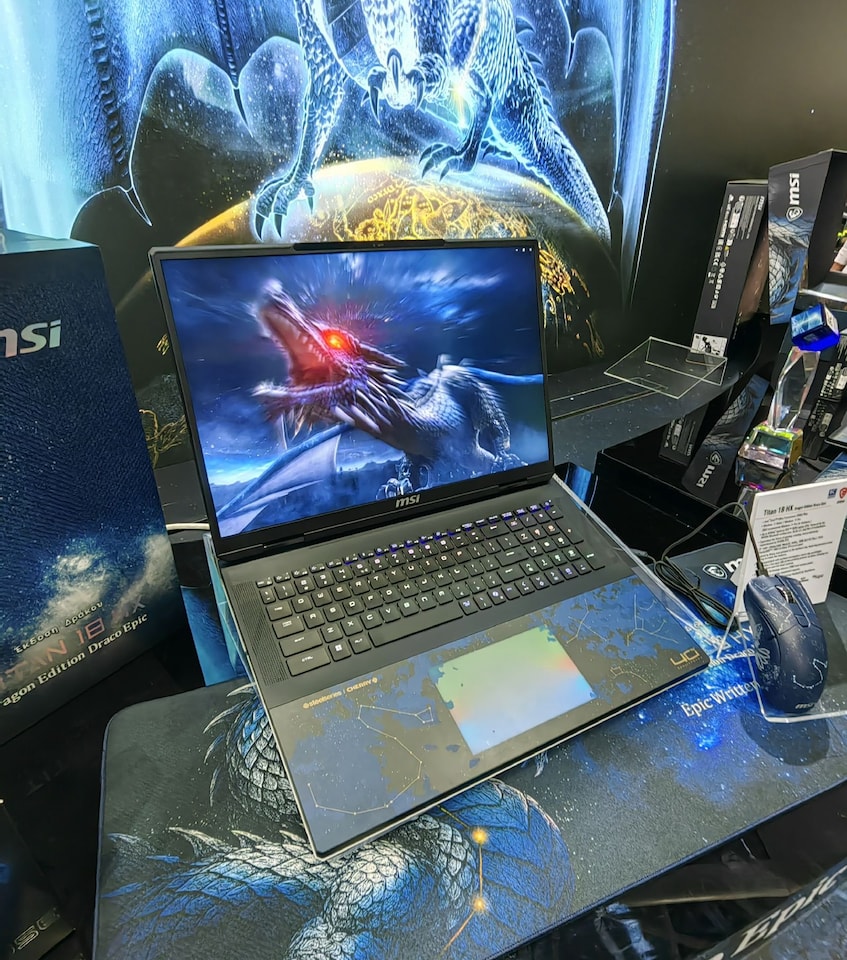
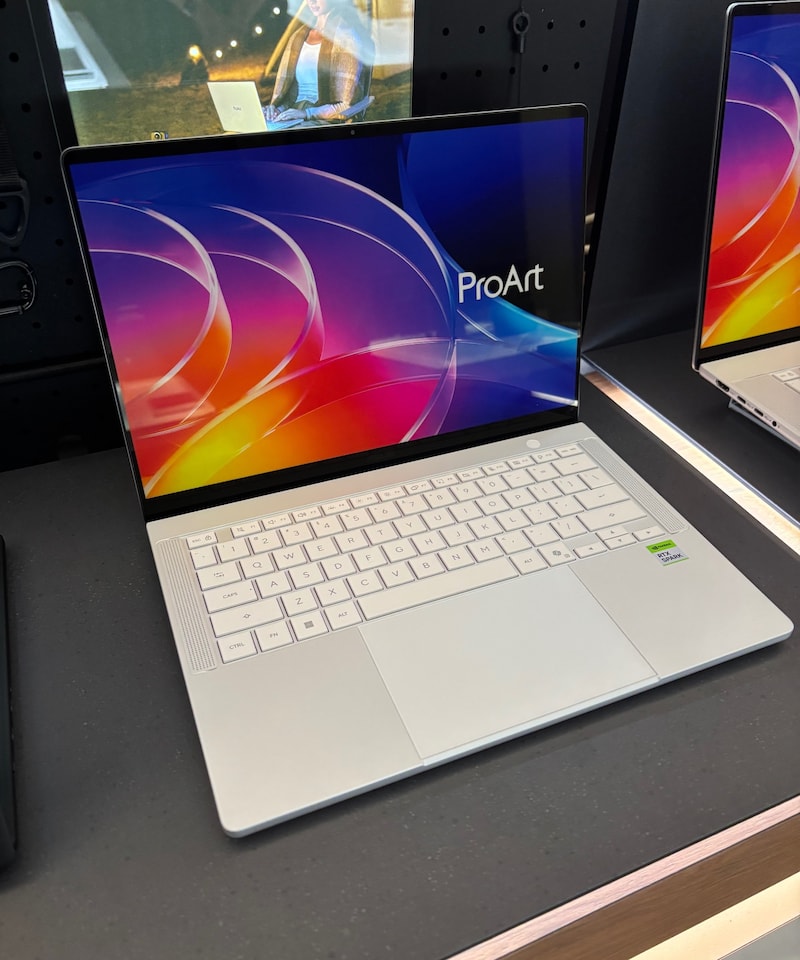
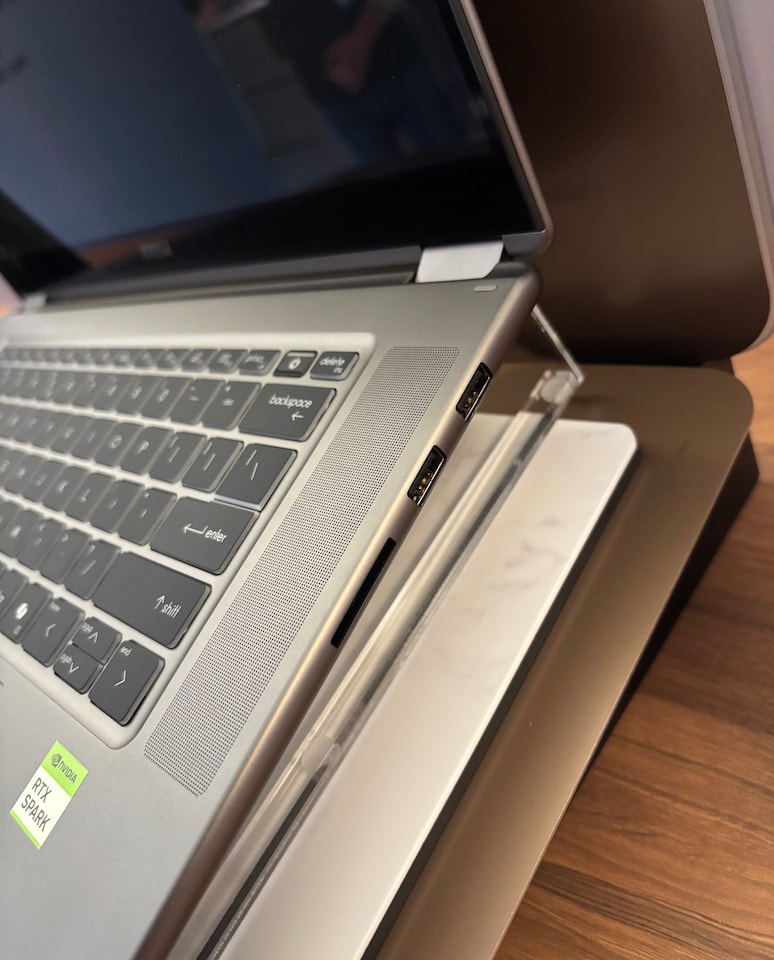
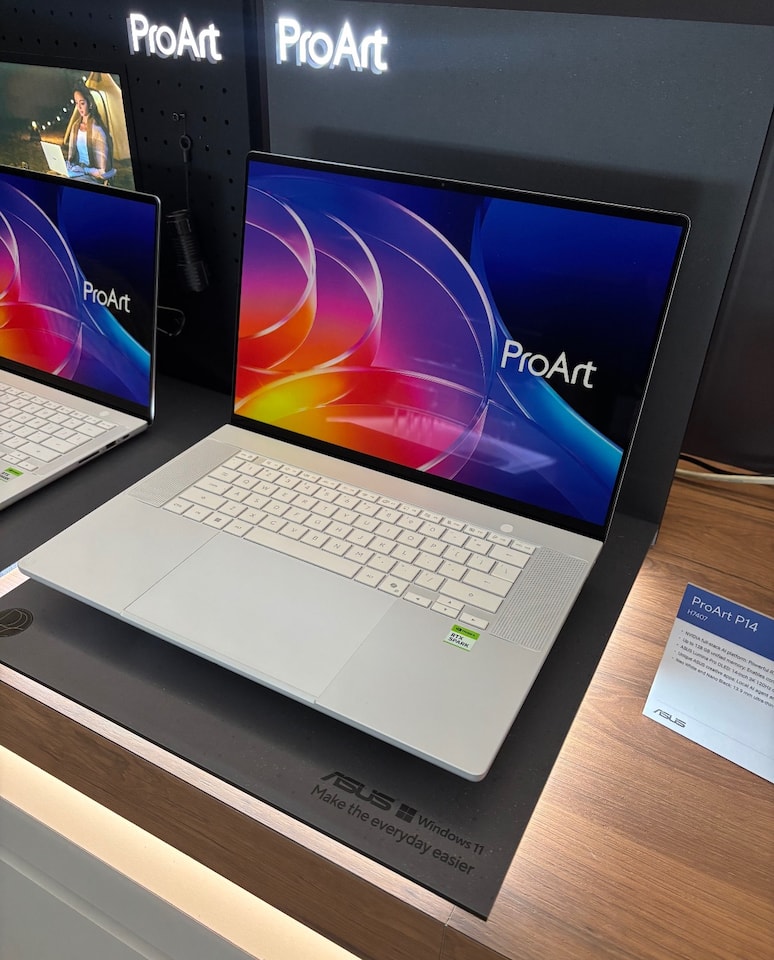
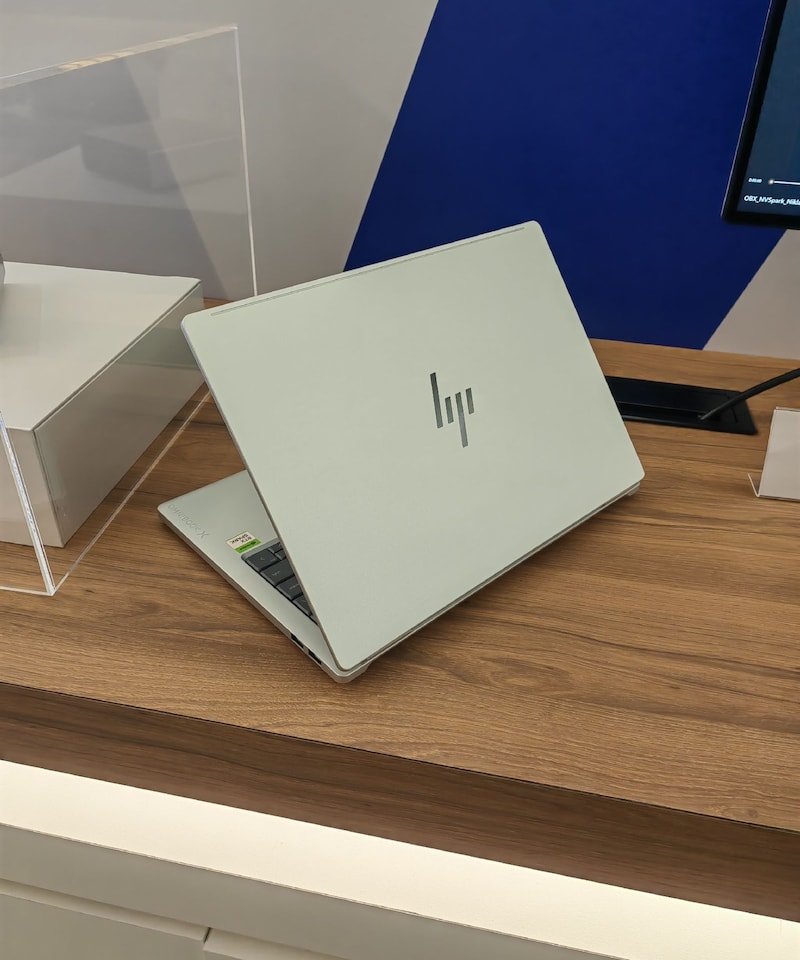
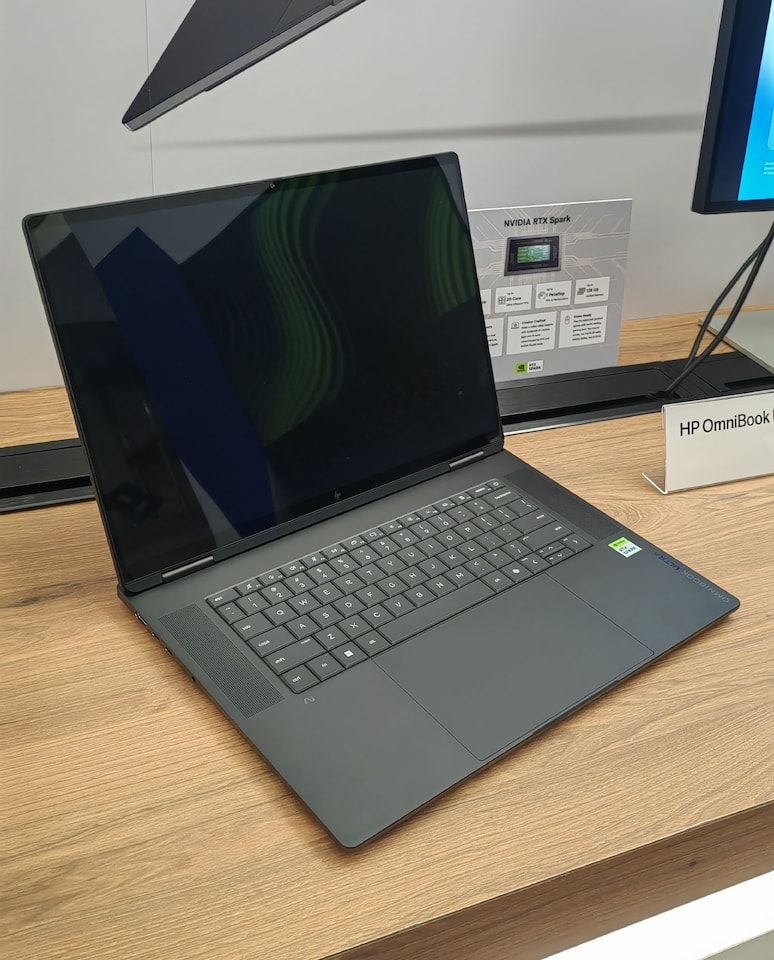
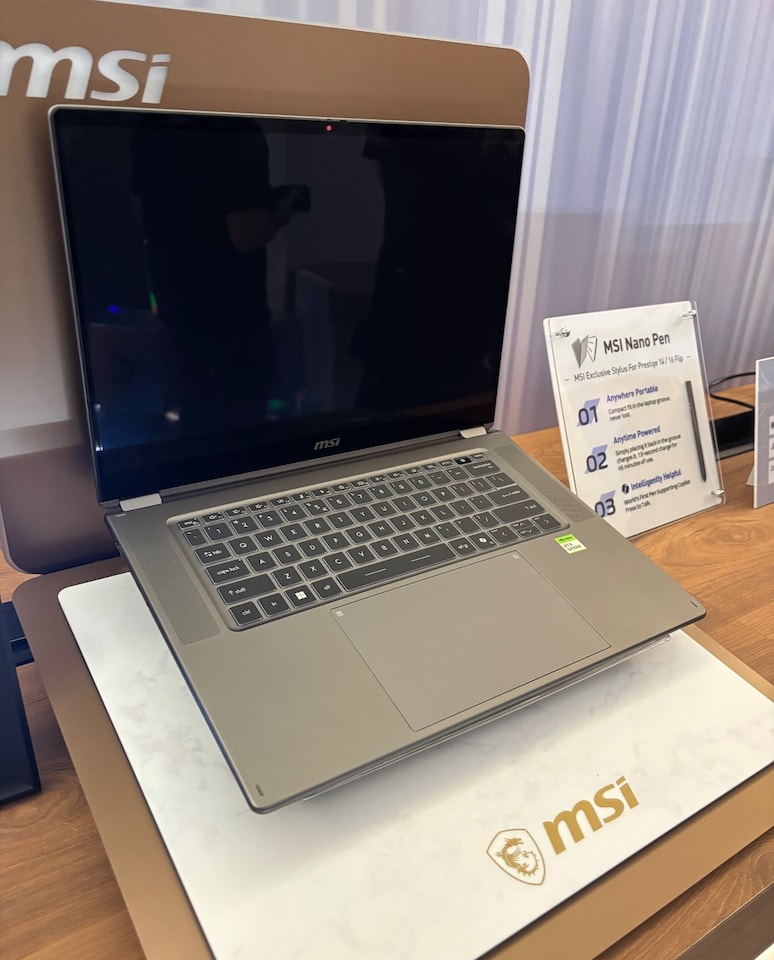
Eight RTX Spark laptops are confirmed for release in fall 2026. The Microsoft Surface Laptop Ultra, featuring a 15-inch mini-LED PixelSense Ultra display and up to 128 GB unified memory, served as the primary demo device. ASUS introduced the ProArt P16 and P14 creator laptops, MSI presented the Prestige N16 Flip AI+ 2-in-1, HP showcased the OmniBook X 14 and OmniBook Ultra 16, Dell brought the XPS 16 Creator Edition, and Lenovo displayed the Yoga Pro 9N. Acer and GIGABYTE are expected to join the lineup soon. The Surface Laptop Ultra effectively serves as a reference design for the platform.
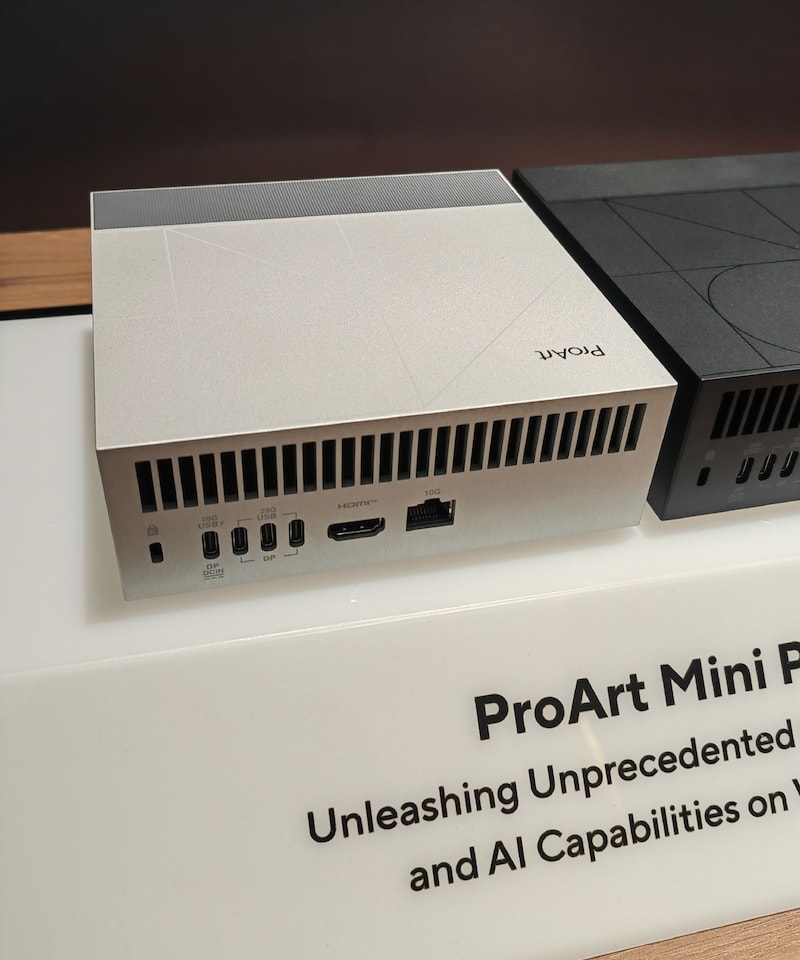
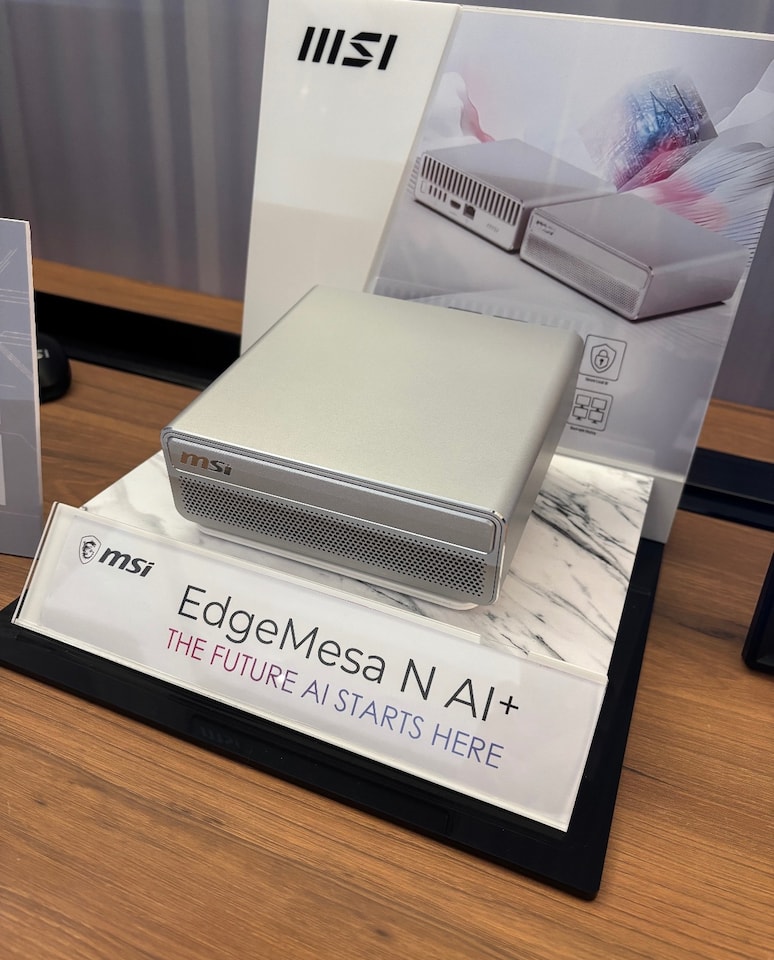
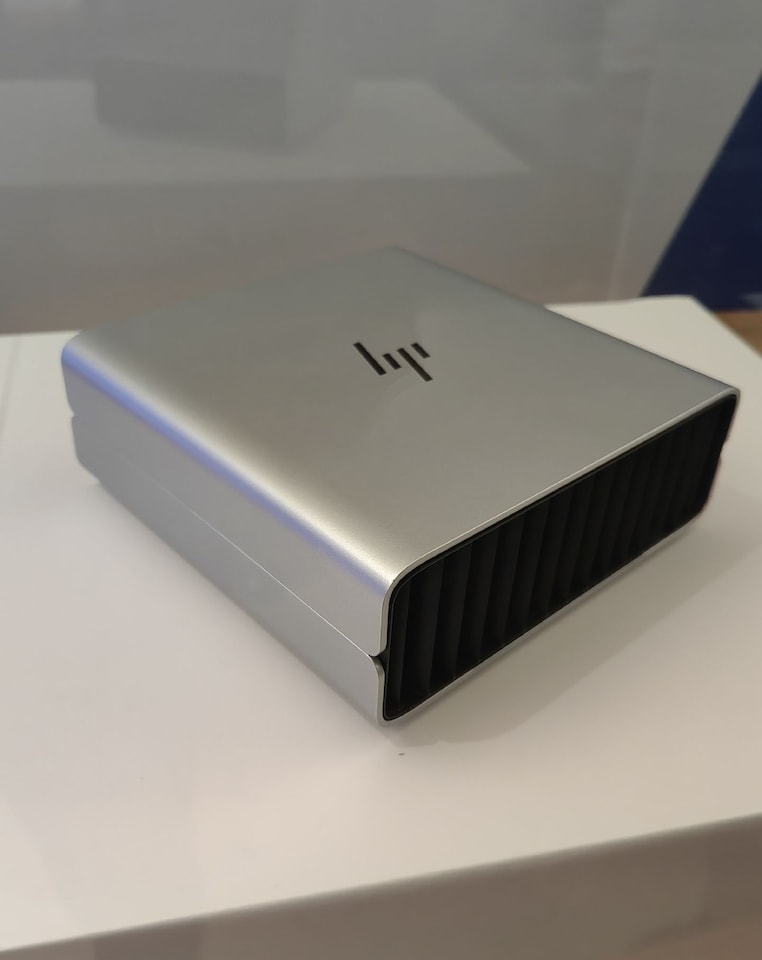
RTX Spark is also making its way into compact desktop mini PCs. ASUS unveiled the ProArt Mini PC with a 140 W thermal design, 10 GbE networking, and PCIe Gen 5 support in a compact chassis. MSI and HP also displayed their own mini desktop models.
While NVIDIA did not announce official pricing, industry sources suggest N1-based laptops will start around $1,799, with higher-end N1X models expected at $2,899 or more. These price points position RTX Spark in direct competition with Apple’s MacBook Pro lineup, targeting creators and power users. The market’s response to these prices for a first-generation Windows on Arm platform remains to be seen, but NVIDIA’s strategy is clearly aimed at the premium segment.
NVIDIA also revealed a multi-generation roadmap for RTX Spark, with N2X and N3X already in development. This signals a long-term commitment to advancing Windows on Arm, positioning RTX Spark as a serious contender in both gaming and creative computing.