Samsung Unveils Latest Innovations in Analog and Logic Semiconductor Technologies
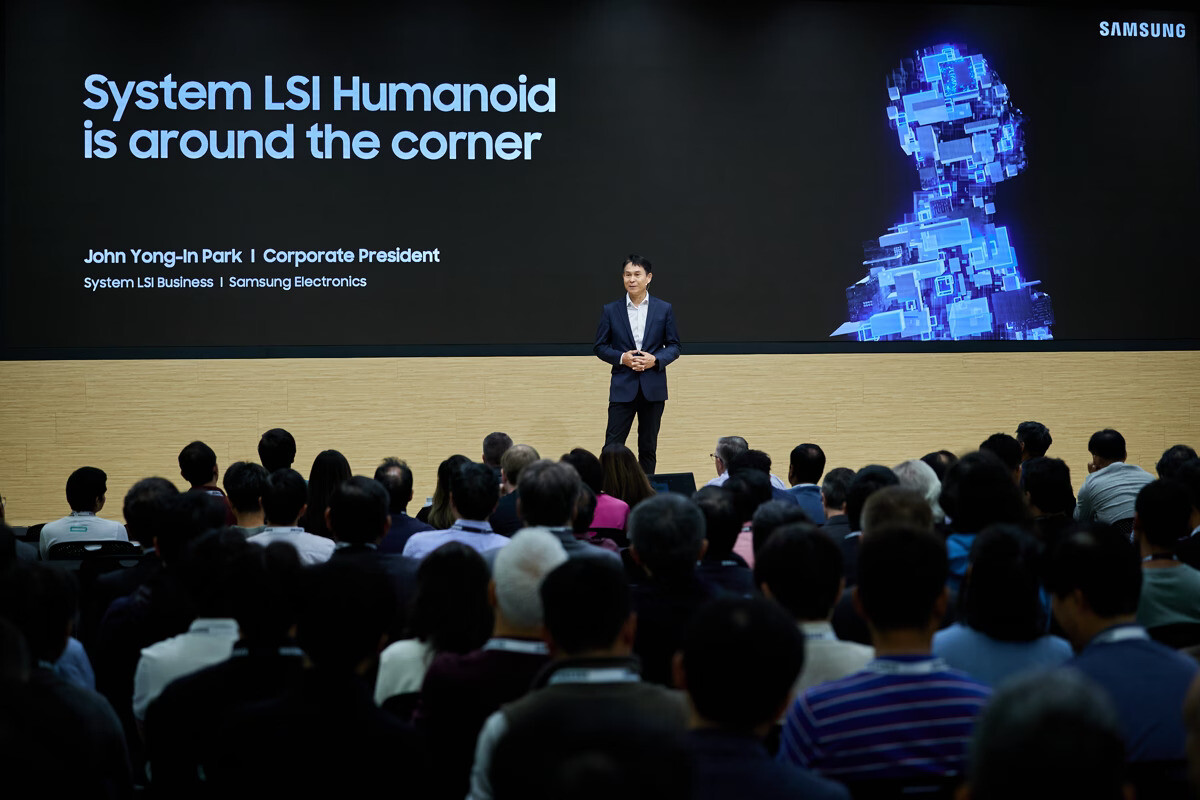
Samsung Electronics Co., Ltd., a global leader in advanced semiconductor technology, recently showcased its newest advancements in analog and logic semiconductor technologies at the Samsung System LSI Tech Day 2023 event. The event, held at the Samsung Semiconductor U.S. headquarters, featured tech sessions led by Samsung executives, covering various topics such as System LSI humanoids, AI, and the company's R&D efforts in the U.S.
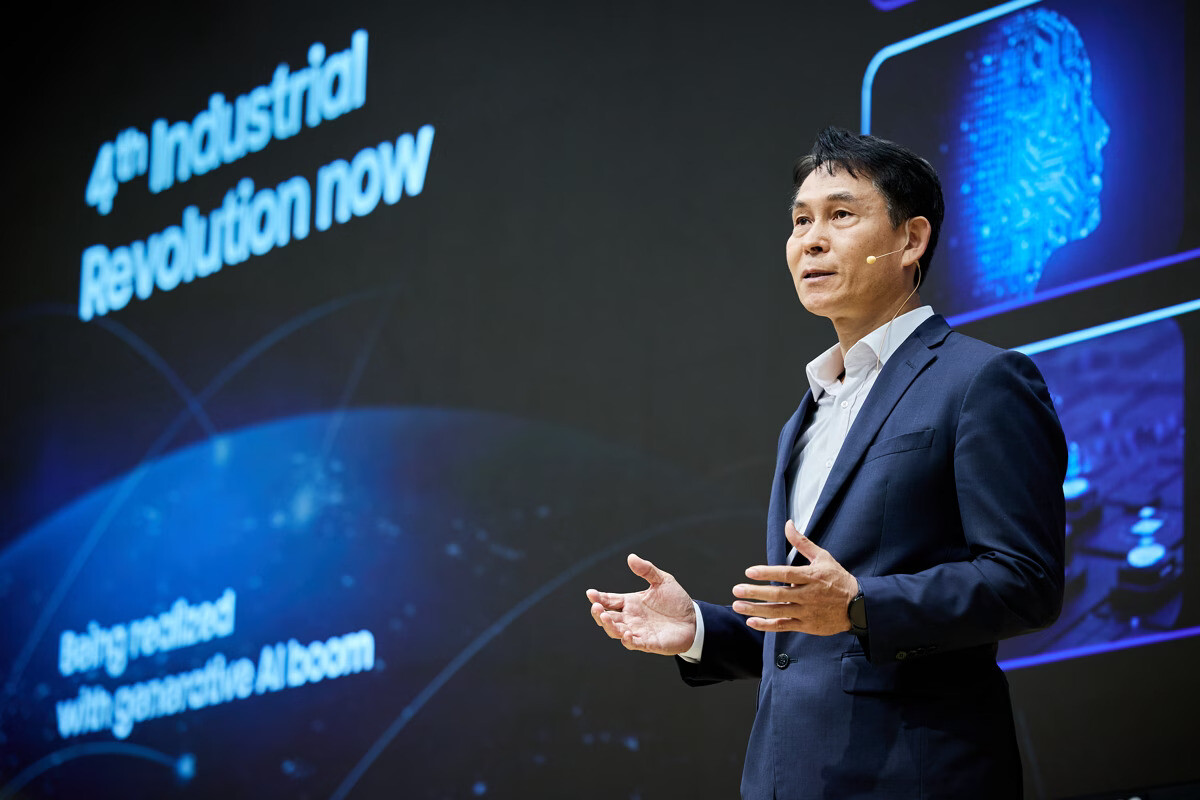
In the opening keynote, Samsung emphasized its vision to lead in hyper-intelligent, hyper-connected, and hyper-data technologies during the Fourth Industrial Revolution era. The company showcased its comprehensive logic solutions tailored for different industries.
"Generative AI has become a significant trend, requiring more powerful foundational technologies to process data and bring AI to life," said Yong-In Park, President and Head of System LSI Business at Samsung Electronics. "We are paving the way for a new era of proactive AI with our Samsung System LSI Humanoid platform, which combines our capabilities in various logic semiconductors, from computational IPs to connectivity solutions and sensors that emulate human senses."
First Glimpse of Exynos 2400 Mobile Processor and Zoom Anyplace Image Sensor Technology
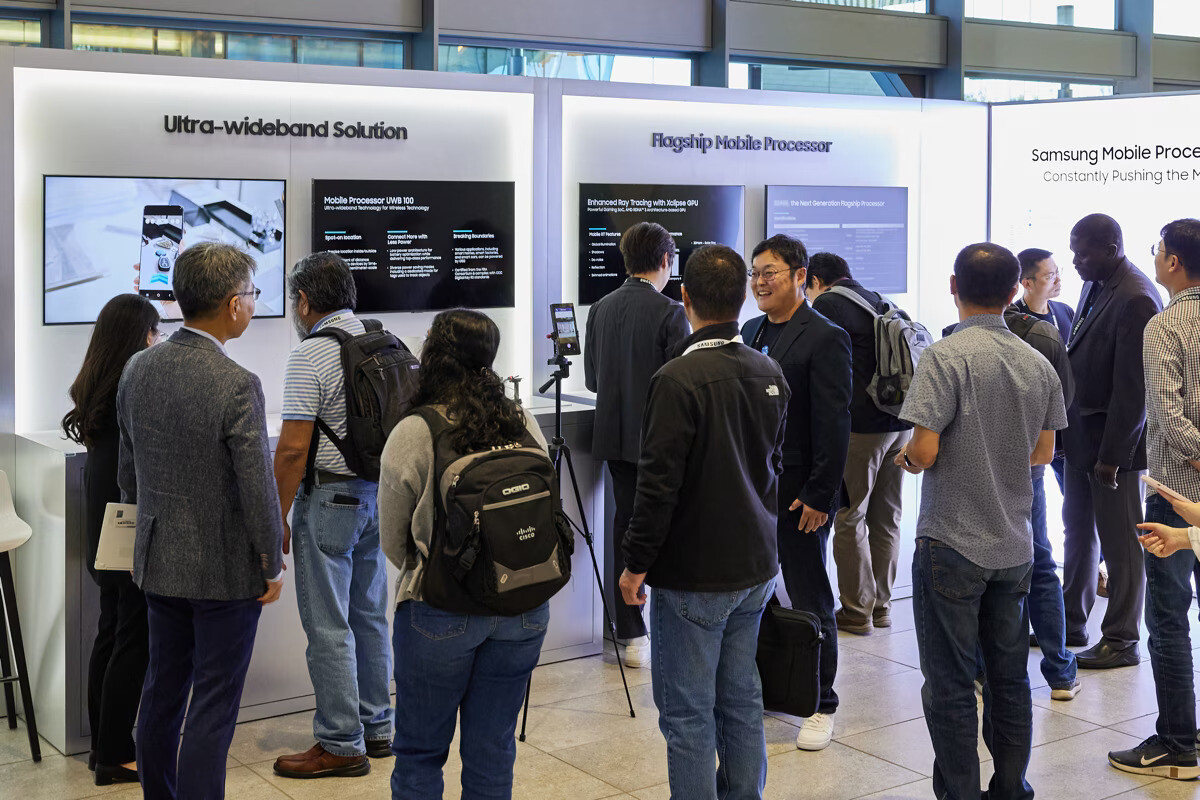
One of the highlights of the event was the preview of Samsung's next-generation flagship mobile processor, the Exynos 2400. The processor, based on the latest AMD RDNA 3 architecture, features the Xclipse 940 GPU. A live demo showcased the processor's enhanced ray tracing capability, promising improved realism and immersion in gaming.
The Exynos 2400 processor offers a 1.7x increase in CPU performance and a remarkable 14.7x boost in AI performance compared to its predecessor, the Exynos 2200. Samsung also introduced a new AI tool for upcoming smartphones, demonstrating text-to-image AI generation using the Exynos 2400 reference board.
Samsung also unveiled its Zoom Anyplace technology, which is based on its 200-million pixel image sensor. This innovation allows mobile users to take up to 4x close-ups of moving objects without any image degradation. The AI-based tracking technology automatically follows and captures objects, ensuring that no moment or detail is missed.
Other notable announcements at the event include a next-generation 5G modem ready for Narrowband Internet of Things (NB-IoT) non-terrestrial networks (NTN), a new vision sensor brand called ISOCELL Vizion, and a Smart Health processor.
Samsung also showcased its latest automotive processor, the Exynos Auto V920, which is set for mass production in 2025. The processor was demonstrated running multiple applications across multiple displays. Additionally, the ISOCELL Auto 1H1 image sensor was highlighted for its high dynamic range (HDR) and superior LED flicker mitigation (LFM) performance, ensuring safer driving.
The event also featured demonstrations of Samsung's cellular and connectivity technologies, including NB-IoT NTN satellite communication in collaboration with Skylo Technologies and wireless lighting control through the Exynos Connect U100 ultra-wideband (UWB) solution.
Other logic innovations showcased at the event include the 200-megapixel (MP) ultra-high-resolution image sensor, the ISOCELL HP2, an advanced driver assistance (ADAS) and autonomous driving (AD) camera solution, the ISOCELL Auto 1H1, quantum-dot (QD) OLED display driver IC (DDI), IoT security solutions, and wireless-charging power management IC (PMIC).
Deep-dive into AI with Academic Experts
During the panel discussion session, Sukhwan Lim, head of the U.S. System LSI R&D Center, joined academic experts from Cornell Tech, UC Berkeley, and Stanford University to discuss the implications of recent trends in generative AI and large language models on compute platforms.